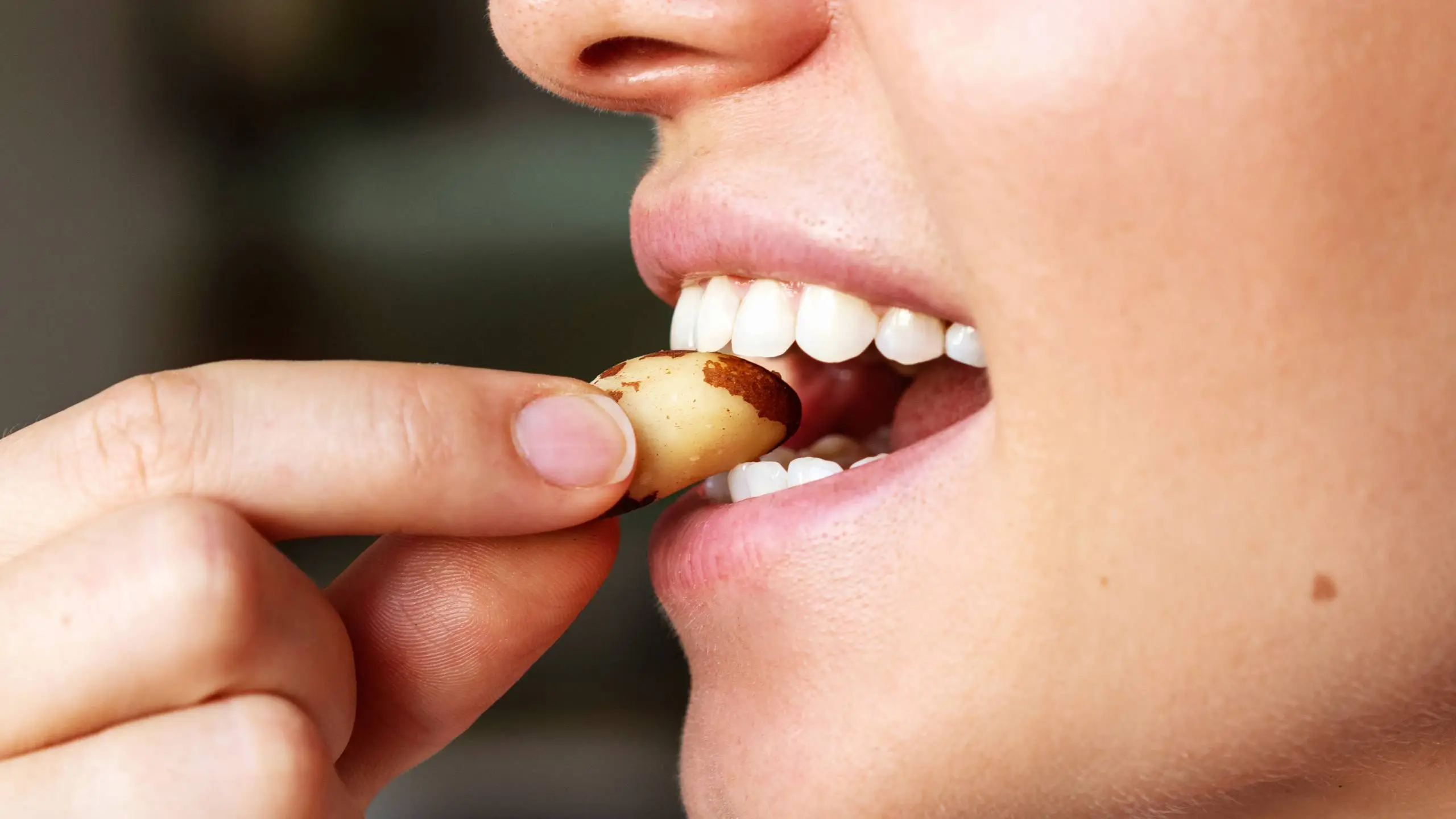
Overview
The muscles of mastication are responsible for movements of the mandible during chewing, biting, and grinding. All are derived from the first pharyngeal arch and are innervated by the mandibular division of the trigeminal nerve (CN V3). They include the masseter, temporalis, medial pterygoid, and lateral pterygoid.
For regional orientation and nerve pathways, see muscles of mastication and the V3 distribution under trigeminal nerve (CN V).
Primary Muscles of Mastication
These four muscles generate elevation, depression, protrusion, retraction, and lateral movements of the mandible.
Mastication Muscles Summary
| Muscle | Origin | Insertion | Nerve Supply | Main Action |
|---|---|---|---|---|
| Masseter | Zygomatic arch and zygomatic bone | Lateral surface of ramus and angle of mandible | Mandibular nerve (V3) — masseteric nerve | Powerful elevation of mandible; contributes to protrusion |
| Temporalis | Temporal fossa and temporal fascia | Coronoid process and anterior border of ramus of mandible | Mandibular nerve (V3) — deep temporal nerves | Elevation of mandible; posterior fibres retract mandible |
| Medial Pterygoid | Medial surface of lateral pterygoid plate; pyramidal process of palatine bone; maxillary tuberosity | Medial surface of ramus and angle of mandible | Mandibular nerve (V3) — medial pterygoid nerve | Elevation and protrusion of mandible; assists grinding movements |
| Lateral Pterygoid (Superior & Inferior Heads) | Greater wing of sphenoid (superior head); lateral surface of lateral pterygoid plate (inferior head) | Neck of mandible; articular disc and capsule of TMJ | Mandibular nerve (V3) — lateral pterygoid nerve | Protrusion and depression of mandible; major contributor to side-to-side movements |
Accessory Muscles Involved in Mastication
While not part of the primary mastication group, these muscles assist mandibular movement by stabilising the hyoid bone.
Accessory Muscles
| Muscle | Origin | Insertion | Nerve Supply | Main Action |
|---|---|---|---|---|
| Mylohyoid | Mylohyoid line of mandible | Hyoid bone and median raphe | Mylohyoid nerve (branch of V3) | Elevates floor of mouth; assists mandibular depression |
| Anterior Belly of Digastric | Digastric fossa of mandible | Intermediate tendon to hyoid | Mylohyoid nerve (V3) | Depresses mandible when hyoid is fixed |
| Geniohyoid | Inferior mental spine of mandible | Hyoid bone | C1 fibres via hypoglossal nerve | Pulls hyoid forward; assists mandibular depression |
Functional Summary
- Elevation: Masseter, temporalis, medial pterygoid
- Depression: Lateral pterygoid, suprahyoid muscles, gravity
- Protrusion: Lateral pterygoid (main), masseter, medial pterygoid
- Retraction: Posterior temporalis, digastric
- Side-to-side grinding: Pterygoid muscles acting alternately
Clinical Notes
All muscles share a common nerve supply via CN V3, making trigeminal neuropathy patterns predictable. Lateral pterygoid dysfunction affects jaw opening, while temporalis wasting signals mandibular nerve injury. For integrated understanding of joint kinematics, see TMJ movements.